Showing posts with label used car of the week. Show all posts

Sunday, July 17, 2016

Car Guide and Inspiration Quickie Used Car Review - Toyota Yaris (2007-2014)-Cars Blogging

2007-2014 Toyota Yaris

The Good: Practical, a pleasure to drive

The Bad: Interior is not that flexible

The Say: Something unnoticed that has character.

Go For: 1.5
Avoid: You have no other choice

Price Range: P285,000-P400,000
Our Rating: ***

Related review: Used Car Review - Toyota Yaris (2007-2014)
Latest vehicle profile: Toyota Yaris

See the different versions of this vehicle:
2007-2009
2009-2012
2012-2014

Vehicle Overview
Sharing the platform with the Toyota Belta, the Yaris is still European designed similar to the first generation model. Both the sedan and hatchback use the same engines and components but utilizes a different sheet metal. While the first generation model which was launched in 2000 utilized the Echo nameplate, the second generation model now gets the Yaris badge.

Compared to its dinky predecessor, this one grew in size both inside and out while retaining the easy to drive personality it has. Going inside reveals more space and a dashboard similar to the Vios, a car whose platform it shares. While a lot of cubby holes and storage bins are present, a single fold bench poses a lack of flexibility especially if the need arises for cargo loading you would be in trouble.

Unlike the Vios and the current model, this one has a sole engine option in the form of a 1.5 engine which has ample power from low to mid range plus Toyota's VVT-I technology comes standard. And unlike its sedan sibling, this one has a fun to drive personality which you'll enjoy. Outward visibility is topnotch and it is complemented by an upright seating position.

What Should I Get
No need to worry for a variant to look at, rather several model years have equipment updates and it pays to look carefully as the later the unit, the more kit it has. Initial models from 2007 has all power features, alarm system, keyless entry, dual airbags, fog lamps, ABS brakes, MP3 function, and rear wiper. Models sold from June 2009 adds side mirror signal repeaters, auxiliary jack, and steering wheel audio controls while March 2012 had some exterior updates and red stitching. Only one engine is available: a 107hp 1.5.

How Much Would It Cost Me
This vehicle didn't sell well throughout, which translates to limited parts availability especially for the exterior components. However, several mechanical parts are similar to the Vios which makes things easy for the wallet. Fuel consumption is on the average with several rivals. Although not much problems were reported, do take a look for the alternator which has a weak characteristic in several instances.

Wednesday, July 13, 2016

Car Guide and Inspiration Quickie Used Car Review - Honda Jazz (2008-2014)-Cars Blogging

2008-2014 Honda Jazz

The Good: Flexibility in a small package, reliability

The Bad: Firm ride and wind noise intrudes the cabin

The Say: An all around vehicle hampered by imperfections.

Go For: 1.5 V
Avoid: 1.5 V Mugen

Price Range: P350,000-P580,000
Our Rating: ****

Related Review: Used Car Review - Honda Jazz (2008-2014)
Latest vehicle profile: Honda Jazz

See the different versions of this vehicle:
2008-2011
2011-2014

Vehicle Overview
The second generation Jazz, which was introduced in August 2008 as a 2009 model locally, offers a longer wheelbase and a wider profile while the cabin gets more larger but trunk space is smaller. This model signaled the drop of the CVT transmission (a conventional automatic was used here, although it was reverted back for the third generation) and the i-DSi engine.

As mentioned earlier, the exterior dimensions grew larger although its height remained the same. The growth in size translated for more space for humans but lost some trunk space. The famed three cargo configuration modes are retained and there is no need to push the front seats forward to give way for the rear headrests, just release the locks and push the seats which results to a flat cargo space.

While the occupants get great visibility, it is still the same old Jazz you got to know which has that easy to drive personality and fun to steer dynamics. Unlike the previous model, this one has an all VTEC technology engine line-up that gives both the 1.3 and 1.5 more grunt. Choosing the 1.3 will require you to push the pedal harder to have decent acceleration and going for the 1.5 doesn't have any drama when accelerating. If you aim for a manual for the 1.5, better luck next time my friend since there is none for this generation.

What Should I Get
You'll mostly encounter two variants during your Jazz search: the S and V. Going for the S gives you the 99hp 1.3 engine, all power features, dual airbags, ABS brakes, CD player with MP3 and auxiliary function, rear wiper, alarm with immobilizer, keyless entry. V models add a 118hp 1.5 engine, side mirror signal repeaters, and folding side mirrors to distinguish from its lowly brother. An update in March 2011 added USB function for all models and for the V these exclusive goodies like fog lamps and paddle shifters. A limited edition V EX was introduced in February 2012 which was imported from Japan (late 2011 saw Honda's plant in Thailand flooded) and has features that aren't available among local models including a cruise control, glovebox cooler, and steering wheel controls. Mugen and Modulo body kits were made as an extra cost option for the V from August (Mugen) and December (Modulo) 2012 respectively

How Much Would It Cost Me
If the previous model was plagued of the CVT issues, fear not as you don't need to worry for one plus keeping this baby is on the average range of rivals. Since this has more power and torque than before plus the rev-happy characteristic of this vehicle means fuel consumption is high. Common problems that this generation of Jazz face include the starter system which makes has the tendency of starting the engine difficult especially when the vehicle is shut down for a short time and a weak alternator.
Watch out for the different recalls which were issued for this vehicle, since you must look out if these were performed, and these include a spring that causes friction resulting to stalling or engine failure (for 1.5 models assembled between August 2008 to April 2010, issued last February 2011) and suspected defect in the driver side airbag's deflator (2009 to 2011 assembled models issued last September 2015 and 2012 to 2014 assembled models issued last March 2016).

Sunday, July 10, 2016

Car Guide and Inspiration Quickie Used Car Review - Chevrolet Aveo Sedan (2006-2013)-Cars Blogging

2006-2013 Chevrolet Aveo Sedan

The Good: Numerous equipment, not expensive

The Bad: Cheap plastics, less space

The Say: Apart from price, it does not excel in any way.

Go For: 1.4 LT
Avoid: 1.6

Price Range: P220,000-P450,000
Our Rating: **

Related Review: Used Car Review - Chevrolet Aveo Sedan (2006-2013)

See the different versions of this vehicle:
2006-2010
2010-2013

Vehicle Overview
Apparently, this vehicle was an intended replacement to the Daewoo Lanos whose development was done prior to GM's takeover of the bankrupt Korean car maker and was the first to be released after the acquisition of the American car maker. The aim of this vehicle is simple: sell this vehicle at an affordable price but with generous amount of equipment. For the Philippine market, the sedan configuration arrived three years later after the hatchback's release. Unlike the latter, this one was sold until 2013, where it got replaced by the Sonic.

Going inside the cabin will reveal two things: a not-so-spacious interior (although comfortable to be in) and a dashboard filled with hard plastic. Four passengers would fit fine though squeezing isn't that good plus trunk space isn't that big also.

Driving this car wouldn't inspire anything, it does the job decently without any drama. Occupants would be treated to a high seating position and an expansive outside visibility. Unlike the hatchback which gets a weak engine, the sedan utilizes a somewhat smaller but more powerful engine which is adequate for one's needs. One thing to keep note for manual models is the location of the reverse gear, which is beside the first gear.

What Should I Get
A sole variant sporting a 94hp 1.4 engine was first sold from October 2006 until the line-up was expanded in 2010. The single model has all power amenities, alloy wheels, dual airbags, ABS brakes, fog lamp, 60/40 fold rear seats, CD player with MP3 capability, alarm, and keyless entry. That variant became the LS (has a manual transmission) or the LT (only with an automatic) in 2010. Other variants that came out include the L which does have steel wheels with cover, no airbags, no ABS brakes, power windows, power door locks, and no security features and the LT Sport which adds body kits and a rear spoiler available in either 1.4 or a 103hp 1.6 engine. Among the variants, no need to look beyond the 1.4 LS or LT since the LT Sport models aren't that common plus you get most kit with what we recommend.

How Much Would It Cost Me
Yes, it is cheap to buy especially that low resale values attract potential buyers. The good news end here as this vehicle has limited parts availability and high fuel consumption compared to rivals. Yup, maintenance costs are also on the upper scale when compared to the Japanese and Korean competition. Not much problem points here as not much of this vehicle were sold throughout selling life.

Wednesday, July 6, 2016

Car Guide and Inspiration Quickie Used Car Review - Mazda 2 Sedan (2010-2015)-Cars Blogging

2010-2015 Mazda 2 Sedan

The Good: A perky handler with a trunk

The Bad: Cheap interior quality, smallish rear seat

The Say: Practical and fun to drive that isn't perfect.

Go For: 1.3
Avoid:

Price Range: P300,000-P450,000
Our Rating: ***

Related Reviews: Used Car Review - Mazda 2 (2010-2015)
Latest vehicle profile: Mazda 2 Sedan

See the different versions of this vehicle:
2010-2015

Vehicle Overview
Mazda's first attempt in the sub-compact race for the Philippine market is with the Mazda 2, known as the Demio in other markets and shares a platform with the Ford Fiesta. While the hatchback was first introduced, the sedan came to the market after a few months but with some differences in the lineup.

For the first time, a sedan configuration of this vehicle was introduced which is sold mostly in several markets outside Japan and Europe. If you're going to buy this one to transport passengers more often, this isn't an impressive option especially that cabin space is limited especially for your legs and mostly for the rear occupants. Unlike the Fiesta whose interior quality is praised, the 2's carries the opposite as hard plastics are mostly used.

If you would be purchasing this vehicle for the driving experience, then you have come to the right place. While this one has a precise steering, a lightweight body, and a supple suspension, a short drive would be a driver's delight but no thanks to its exterior proportions, the sedan has a tendency to feel loose on certain situations.

What Should I Get
First released in March 2010, the 103hp 1.5 variant is fully kitted which includes dual airbags, ABS brakes, alloy wheels, fog lamps, 60/40 fold rear seat, all power amenities, CD player with auxiliary and USB jack, alarm with immobilizer, and keyless entry. A year later, an 85hp 1.3 model was introduced which loses the alloy wheels and fog lamps although the former became a cost added option in late 2014.

How Much Would It Cost Me
Purchase a unit from January 2013 and above and you will benefit from Mazda's Youjin3 coverage that promises free maintenance and roadside assistance throughout the warranty period. Fuel consumption is below a notch over several rivals, which is one thing to consider. If you are considering a 2010-2011 model, check the rack-and-pinion steering since it has a tendency to be noisy and these are replaced under warranty.

Sunday, July 3, 2016

Car Guide and Inspiration Quickie Used Car Review - Kia Rio Sedan (2006-2011)-Cars Blogging

2006-2011 Kia Rio Sedan

The Good: Ride is comfortable, rev happy engine

The Bad: Simplistic interior, absence of safety features

The Say: A basic car perfect for the lowly budget, but if you are willing to look beyond the badge.

Go For: 1.4 EX
Avoid: Ex-taxi units

Price Range: P240,000-P320,000
Our Rating: ***

Full Review: Used Car Review - Kia Rio (2006-2011)
Latest vehicle profile: Kia Rio Sedan

See the different versions of this vehicle:
2006-2009
2010-2011

Vehicle Overview
After the lackluster first generation model sold in the earlier part of the decade, the second generation Rio now shares a platform with the Hyundai Accent which made things more better. While a hatchback was offered in this generation, it was dropped after a year due to slow sales.

If the first generation model was crude enough, this one improved a notch by offering higher than average reliability and decent driving experience. Only one engine option is available, a 1.4 gasoline which does not carry any variable valve-timing technology but is flexible enough at any situations. Ride quality is biased towards comfort, especially that passengers get thick seats as standard.

Although hard plastics come standard, the interior is as basic as one can get especially that no airbags come present. Cabin space is spacious enough for four people and going beyond would mean uncomfortable plus trunk space is decent for the category. For those who are considering a 2010 and above unit, do take note that is has a reverse gear placed beside the first gear which may be daunting for first timers.

What Should I Get
Throughout selling life, the main variant would be the EX and this is our choice especially that it is fully kitted that includes the 93hp 1.4 engine, CD player, all power features, 60/40 fold rear seat, steel wheels, and that's it. An automatic transmission option was added in late 2007 as initial models were sold with a manual. An update in October 2009 had a basic LX added in the line-up which only retains power steering and an audio system plus you can get it in color white and manual transmission. LX models are differentiated by their black door handles and side mirrors, as opposed to the EX's body colored ones.

How Much Would It Cost Me
Since this vehicle had its stint as a taxicab, parts availability is tops and there are Korean parts specialist shops as an alternative to a dealer. Fuel consumption is decent for the category with manuals being more efficient compared to their automatic counterparts. One thing to look are the stabilizer links, which is a weak point of this vehicle.

Wednesday, June 29, 2016

Car Guide and Inspiration Quickie Used Car Review - Hyundai Accent (2006-2010)-Cars Blogging

2006-2010 Hyundai Accent

The Good: Fast on its heels, fuel saver

The Bad: No safety features, not fun to steer

The Say: A viable alternative to those sub-compacts offered by the Japanese.

Go For: 1.5 GL Power
Avoid: Ex-taxi units

Price Range: P250,000-P350,000
Our Rating: ***

Full Review: Used Car Review - Hyundai Accent (2006-2010)
Latest vehicle profile: Hyundai Accent Sedan

See the different versions of this vehicle:
2006-2010

Vehicle Overview
Hyundai was on an expansion in the country during the mid to late 2000s, especially that it added vehicles that nearly target every segment. One of the vehicles we would be discussing is the Accent, which joins the increasingly crowded sub-compact market.

First thing that we would be discussing is the standard (and only) diesel engine, which rivals didn't have or copy this strategy later on. The 1.5 diesel has one of the highest fuel consumption ratings out there especially if you drive it prudently (shifting at 1,500rpm) but go all out you'll have a blast driving this one. Although you can drive a gear higher from initial launch, you would experience lifeless steering and a ride comfort that is so soft.

Similar to its peers, the cabin would only fit in four people in comfort since anything above it is a squeeze. While some cheap touches are present, interior quality is something top notch but you wouldn't get airbags in this car. If you are used with an ordinary manual gear stick, the Accent utilizes a reverse gear located beside the first gear, which takes time getting used to.

What Should I Get
The sole variant launched in December 2005 was the GLS, which had niceties such as alloy wheels, body color door handles and side mirrors, leather steering wheel, all power amenities, alarm, and keyless entry with immobilizer. November 2007 saw the introduction of a "stripped" GL, that is aimed among fleets, which got steel wheels, black door handles and side mirrors, plastic steering wheel, power steering and windows (those painted in white don't get power windows), and no security features at all. Since the GLS is a rare find, go for the GL but do not forget the power windows at least. Before we leave this, the only engine choice is a 108hp 1.5 diesel paired to a manual transmission.

How Much Would It Cost Me
Thanks to a standard diesel engine, fuel consumption is low which means maintenance costs are on the lower end of the spectrum. Parts availability are wide, thanks to its stint as a taxicab. However, the diesel present here has common rail technology with variable geometry turbocharger which means that one must be extra careful not to break the turbo, a costly replacement to say so.

Sunday, June 26, 2016

Car Guide and Inspiration Quickie Used Car Review - Honda City (2009-2014)-Cars Blogging

2009-2014 Honda City

The Good: Huge interior space, reliable

The Bad: Rev demanding 1.3

The Say: High levels of quality trickled down to a sub-compact package.

Go For: 1.5 E
Avoid: 1.3 A

Price Range: P340,000-P550,000
Our Rating: ****

Full Review: Used Car Review - Honda City (2009-2014)
Latest vehicle profile: Honda City

See the different versions of this vehicle:
2009-2011
2012-2014

Vehicle Overview
Launched in 2009, the fifth generation Honda City got more sophisticated and more better by offering fresh VTEC engines and a larger cabin. The previous model's i-DSI engine and rear folding bench was dropped for all models. A far cry from the hatchback models that were only previously available outside the Philippines during the 80s and even from the Civic EF based model during the 90s.

While the exterior dimensions increased a little, the story tells you it has a larger cabin and trunk space than before, explaining why the 60/40 fold rear seats were dropped. Similar to its rival, 1.5 models are easily distinguished by its side mirror signal repeaters than the 1.3 which don't get these.

Honda's VTEC technology is now used for both engines here, which gave the 1.3 and 1.5 more power and torque than before. The 1.3 is too smallish that you need to rev hard to attain decent acceleration, while the 1.5 can motivate the vehicle without any drama. Handling is something Honda typical and would bring you to your destination without any trouble. Unlike the previous model, the 1.5 is strictly automatic.

As we said earlier that the interior had grew up in size, especially that passengers have unobstructed view outside. Another plus point is the high quality interior, which is a breath of fresh air in this category.

What Should I Get
In 2009, the City was originally available in three variants that includes the A, S, and E. Choosing the A (which was dropped in the 2012 update) gives you the 99hp 1.3 engine plus all power amenities, MP3 capability with CD, and ABS brakes. Going for the S adds alloy wheels, dual airbags, alarm, keyless entry, and auxilary and USB function. The E adds the 118hp 1.5 engine, chrome door handles, and side mirror signal repeaters. An ECO mode and steering wheel audio controls for January 2012 and up models. April 2013 saw the launch of two spin-off models of the E that included the EL that gets leather seats while the ENC gets stability control and 60/40 fold rear seats. Modulo body kits were an added option for 1.3 S and 1.5 E models beginning December 2012.

How Much Would It Cost Me
Maintaining one is in the range of its rivals and there is no CVT to worry about. Fuel consumption is average for the class although the 1.3 automatic tends to rob power due to the rev friendly engine. Problem spots of this vehicle include a weak alternator, the starter system which makes starting the engine difficult especially when the vehicle is shut down for a short time, and minor squeaks which can pop out. Different recalls were issued for the City which involved a spring that causes friction resulting to stalling or engine failure (for 1.5 models assembled between 2009 to April 2010, issued last February 2011) and suspected defect in the driver side airbag's deflator (2009 to 2011 assembled models issued last September 2015 and 2012 to 2014 assembled models issued last March 2016).

Wednesday, June 22, 2016

Car Guide and Inspiration Quickie Used Car Review - Toyota Vios (2007-2013)-Cars Blogging

2007-2013 Toyota Vios

The Good: Reliable, gas sipper, plenty of units in the market

The Bad: Dull steering, gauges located in the middle, allergic at high rpms

The Say: Does not hurt the wallet, but does not excite the soul.

Go For: 1.3 E/1.5 G
Avoid: 1.5 S

Price Range: P250,000-P500,000
Our Rating: ***

Full Review: Used Car Review - Toyota Vios (2007-2013)
Latest vehicle profile: Toyota Vios

See the different versions of this vehicle:
2007-2010
2010-2013

Vehicle Overview
Based on the Japanese Toyota Belta, the Vios is mostly sold in the Southeast Asian region while the former is only marketed in Japan and several American markets. Its 2007 Philippine introduction also heralded the start of the local assembly of this vehicle, which is still done until today with the third generation model.

Looking at the exterior, you may mistaken that this vehicle has the same length as the model it replaced, but no it had grew larger inside and out. Distinguishing the 1.5 models from the 1.3 would be the side mirror signal repeaters which the lower ones don't get. Special edition models have 16 or 17 inch wheels and some exterior modifications ranging from mesh grilles to body kits.

Powering them are carryover engines in the form of 1.3 and 1.5 ones, both excel in low speeds but will show their limitations when driven hard. The Vios isn't something special to drive, rather it would bring you from point A to B without any fuss and in a comfortable manner. 2010 and later 1.3 E and G models gain an automatic transmission option, which makes the 1.3 models not anymore strictly manual like before.

Some aspects of the older model are evident inside and one of them is the gauges mounted in the center, which you may like it or not. While cabin space is adequate (thanks to a size increase), drivers may get an awkward position which is either being close to the steering wheel or being too far away from the pedals. Cheap plastic materials are present although you are buying something below a million pesos you wouldn't bother.

What Should I Get
Three variants were originally launched in 2007 which were the J, E, and G. The J was the basic variant which only offered the 85hp 1.3 engine with power steering, CD player, a driver's airbag but the 2010 update it gained power windows, power door locks, MP3 capability, and an auxiliary jack. The original J model would later be the Base model added in 2011 that is aimed towards fleets but minus the hubcap cover. Going for the E adds ABS brakes, alloy wheels, alarm, keyless entry, and MP3 capability but it was removed in favor of the 1.3 G in September 2012, essentially offering the same kit of the E. The G gains a 107hp 1.5 engine which adds a passenger airbag, side mirror signal repeaters, multi-information display, power mirrors with fold function, and steering wheel audio controls. An option for leather seats and 60/40 fold rear seats became available in 2007 to 2010 for the 1.5 G AT but has been discontinued.

A bevy of special edition models were launched which mostly sported the 1.5 engine include the S (adds 17 inch wheels and a rear spoiler, added in July 2009), XX Limited Edition (gets large wheels and Ipod connectivity, launched in August 2008), SE Limited (15 inch TRD wheels, HID headlights, and mesh grille, added in October 2011), and TRD (17 inch rims, rear spoiler, muffler cutter, and TRD body kits, introduced in September 2012). The only exemption is the 1.3 J Limited that was launched in September 2012 which is a J model that gained alloy wheels and a passenger airbag.

How Much Would It Cost Me
One selling point of the Vios is its low maintenance costs, especially that spare parts are aplenty and a fuel efficient engine for the 1.3 (although the 1.3 automatic isn't that great in this aspect). Do take a peek for the alternator that tends to be weak and the radiator has the tendency to be problematic since its smallish size takes a toll on it.

Sunday, June 19, 2016

Car Guide and Inspiration Quickie Used Car Review - Suzuki Celerio (2009-2015)-Cars Blogging

2009-2015 Suzuki Celerio

The Good: Fuel friendly (with the manual), easy to drive

The Bad: Power sapping automatic, tight third row

The Say: While it has some virtues, it gets lost on a sea of sub-compacts.

Go For: GL
Avoid:

Price Range: P245,000-P450,000
Our Rating: ***

Full Review: Used Car Review - Suzuki Celerio (2009-2015)
Latest vehicle profile: Suzuki Celerio

See the different versions of this vehicle:
2009-2015

Vehicle Overview
Technically, the Celerio is a fifth generation Alto but targeted above the latter in terms of price. While some markets have both vehicles sold alongside one another, a number had this one exclusively. The Philippine market got this in June 2009 to complement the rather basic Alto. A standalone model with the same name replaced the Alto-based on in India in 2014, with our market having it the following year.

Outside, you wouldn't knew that it has a lineage with the Indian assembled Alto since its angles and bright color options shouts these out. Going inside reveals an interior which is a far cry from its cheapest sibling especially that the cabin will give you an idea on what decade this car was introduced. Controls are within the reach of the driver and front occupants get an upright position. Four people would have their comfortable position inside but those who prefer to sit at the back would get limited head and knee space.

Since the standard engine is a 1.0, it will give you decent acceleration and excellent fuel consumption but with the manual, since automatics tend to sap power. It is easy to drive and ride quality is good but going at triple digit speeds would have a tendency to be uncontrollable.

What Should I Get
Launched in 2012, the basic GA can be distinguished by its black door handles and mirrors and only gets power steering, dual airbags, radio with CD player and MP3 capability plus auxiliary jack, and a rear wiper. Our pick is the GL that is fully loaded which includes front power windows, power door locks, fog lamps, ABS brakes, immobilizer, keyless entry, and a tachometer.

How Much Would It Cost Me
Similar to the Alto, spare parts costs are priced on the upper scale when compared to rivals. Choose the manual for more miles and savings, since going clutchless isn't fuel friendly. With most Celerios are used as daily drivers, do check for the usual wear and tear parts.

Wednesday, June 15, 2016

Car Guide and Inspiration Quickie Used Car Review - Suzuki Alto (2007-2013)-Cars Blogging

2007-2013 Suzuki Alto

The Good: Fuel efficient, reliable

The Bad: Limited interior space, plasticky interior

The Say: Basic transportation in small mass for less.

Go For: 1.0 K10
Avoid: 0.8 Standard

Price Range: P135,000-P240,000
Our Rating: **

Full Review: Used Car Review - Suzuki Alto (2007-Current)
Latest vehicle profile: Suzuki Alto

See the different versions of this vehicle:
2007-2013

Vehicle Overview
Although the Alto nameplate had been in existence since 1979, it was only made available in the Philippines in 2007 as an expansion of their passenger car lineup. Various versions were assembled around the world which are catered towards different tastes and requirements of various countries. Our Altos are from India, which is sold there and different from the versions that Japan get. Unlike the Japanese models, we do get slightly larger engines complemented with a basic cabin.

With a selling price of P350,000 back when it was brand new, do not expect anything fancy but its task is just to transport you from point A to B with minimal fuel consumption. While both the 0.8 and 1.0 engines are enough for city driving, these can top the triple digit speed area when appropriately loaded. When it comes to saving gasoline, you'll be happy with this car especially this one gets high fuel mileage. Although practical for short trips, its suspension may have the tendency to be unstable at certain situations.

Picky buyers need not apply here, since the low rent interior reflects its price range that are derived from a 90s sedan. Four people is good enough since fitting five people inside isn't a comfortable scenario plus reversing would make you hit the front seat passenger. Cargo space is fine for some although rivals are better in this aspect.

What Should I Get
Most models get the 47hp 0.8 which is fine for daily driving tasks which are available for both Standard and Deluxe models. Going for the Standard gives you black bumpers, power steering, and CD player while upgrading to the Deluxe gains body color bumpers, power windows, power door locks, and hubcap covers. Launched in November 2011, the K10 has a 68hp 1.0 engine that adds MP3 capability, a tachometer, rear window defogger, power socket, and an auxiliary jack. Among the given variants, we'd go for the K10 if you can find one although the 0.8 Deluxe is more than adequate.

How Much Would It Cost Me
Prices of spare parts on average are somewhat pricey compared to the Korean competition. Fuel consumption is tops, which means your wallet would be happy. Problem points to look out include a worn clutch, plastics that tend to be brittle, and the driver side window for models without power windows which may break themselves.

Sunday, June 12, 2016

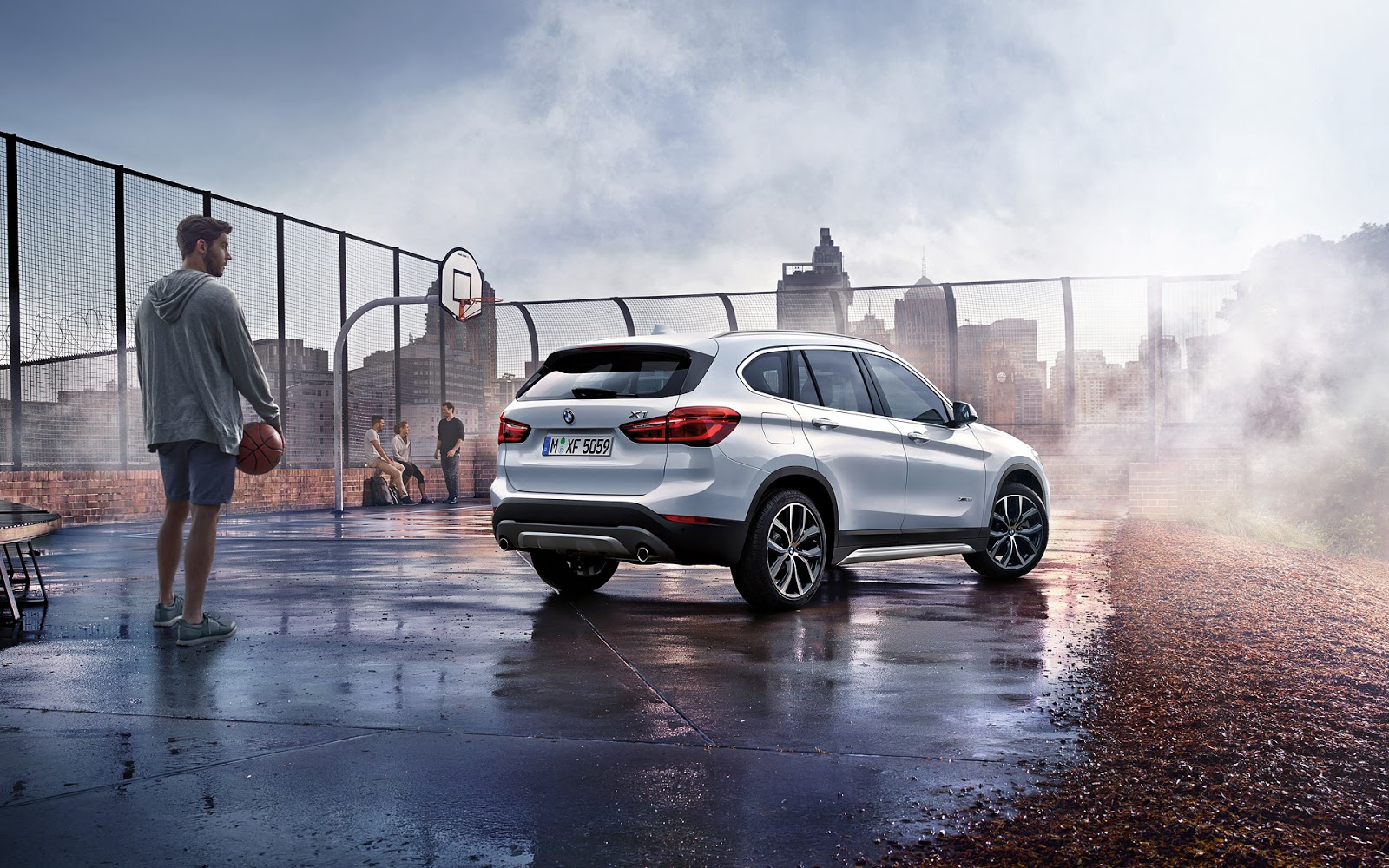
Car Guide and Inspiration Used Car Review - BMW X1 (2010-2016)-Cars Blogging

Is this compact SUV worth the effort? Hubben Delcatro decides to investigate it further.

2010-2016 BMW X1

History
If you think that BMW's X family is too small enough, we have some bad news for you. Since the X5 and X3 were successful, they had added the X6 but as a niche vehicle in 2008 and introduced their smallest member in the form of the X1 the following year. Ok, BMW added the X4 in 2014 slotting between the X3 and X5 and a seven seater SUV which rivals the Audi Q7 and Mercedes Benz GL/GLS Class is on the pipeline.

Started as the X1 concept previewed at the 2008 Paris Motor Show, production commenced the following year at BMW's Leipzig plant with local assembly in various countries later on. Based on the 3 Series touring platform, it slots below the X3 when it comes to size and price. Do take note that both vehicles share the same underpinnings of their passenger car counterpart.

Asian Carmakers Corporation, the official distributor of BMW vehicles in the Philippines, welcomed the fourth member of the X family in the form of the X1 in January 2010. Two models were first launched, the xDrive 20d diesel and the xDrive 28i gasoline which can only be purchased via indent basis. A mid-cycle update occurred in August 2013 which became the sDrive 18d which was only rear wheel drive, as opposed to the pre-facelift's all wheel drive system.

Value and Costs
Since this is BMW's entry level SUV, brand new prices do range from P2,400,000 to P3,900,000 throughout its selling life and that price range alone may also give you the 3 Series, whose platform is based on. If you want one second hand, first generation X1 models cost between P1,500,000 to P1,800,000. As an unspoken rule for premium brands like this, it pays to check out their certified pre-owned units since they are inspected and backed-up by an extended warranty.

Maintaining one is much higher than your Japanese PPV (duh) but the same with its contemporaries from Germany. Parts are compatible with the 3 Series, so there is nothing to worry with. If you aim for AWD, xDrive models have it which were sold from 2010 until mid-2013 and this could be done through a test drive which could potentially see if unusual noises upfront which may mean transfer case issues. sDrive models are rear wheel drive and sold later on which does not inherit the problems of the "X" models. Another thing to inspect for high milers is to start-up the vehicle and hear for any rattles which means to change the timing chain or the tensioners.

Exterior and Interior
You may mistaken this vehicle for a station wagon than a crossover SUV (which BMW wants to market), especially that its outside appearance is long and low which suggests for more concrete usage than something for the beaten path. Do take note the facelift models gain run flat tires, which sounds good at high speeds but when you run out of tire sealant, you'd be thankful for regular tires.

Don't expect X3 levels here, since the interior is a letdown especially it does not look luxurious if you are picky enough. The front seats suggest that they are for spirited driving but those who will seat at the back may not like it, despite adequate space for their heads and legs. All models get the iDrive system, automatic start/stop function, and cruise control.

Engine
We shall discuss the diesels since you will encounter them more often. Both xDrive and sDrive models are powered by BMW's N47D20 2.0 which puts out 177hp at 4,000rpm and 350Nm at 1,750rpm for 2010 to 2013 models and 143hp at 4,000rpm and 320Nm at 1,750rpm-2,500rpm for 2013 to 2016 units. Although these figures may be conservative, the diesels provide lively performance for city driving but go high speed driving wouldn't motivate you more. Updated models get an automatic start/stop function which aims to cut fuel consumption in low speeds, making things more fuel friendly. Another engine option is in the form of the N52B30 3.0 gasoline providing 258hp at 6,000rpm and 310Nm at 2,600rpm but since this one is a rare find, we wouldn't bother with this.

Driving Impressions
Don't let the size and positioning fool you, especially that the X1 is one fun to drive beast. You can live with this vehicle as a daily driver and the electronic power steering makes things easier. Going with the xDrive models gives you hydraulic assist but makes the steering and chassis heavier. Choosing the sDrive variants will reward you a lighter chassis since no all wheel drive system exist to fiddle plus it is more responsive to drive.

Verdict
Life is a compromise, especially that you van get a crossover SUV which can be a city tourer but driving dynamics is missing or a sedan that is fun to drive but not practical to live with. Although the X1 combines these two aspects in one body but as an all around, there are better options that you can find.

The Good:
  • Drives like a BMW
  • Available diesel engine
  • Easy to live with
The Bad:
  • Not that practical
  • Not that BMWish
  • Interior quality isn't that good
The Pick: xDrive2.0d

THE SPECS
Engines: 1,995cc N47D20 I4 diesel, 2,996cc N52B30 I6 gasoline
Power: 177hp @ 4,000rpm (2.0, 2010-2013), 143hp @ 4,000rpm (2.0, 2013-2016), 258hp @ 6,000rpm (3.0)
Torque: 350Nm @ 1,750rpm (2.0, 2010-2013), 320Nm @ 1,750-2,500rpm (2.0, 2013-2016), 310Nm @ 2,600rpm (3.0)
Fuel Consumption: 10-12km/L (city), 14-20km/L (highway) (*estimated and varies)
Transmission: 6-speed automatic (2010-2013), 8-speed automatic (2013-2016)
Suspension: Front McPherson strut, rear multilink

MORE INFO
Price (New): P2,400,000-P3,900,000
Price (Now): P1,500,000-P1,800,000
On Sale: 2010-2016
Rivals: Audi Q3. Lexus NX, Mercedes Benz GLA Class
Resources:

Contacts:
Autohaus BMW - (02) 638-0734

Wednesday, June 8, 2016

Car Guide and Inspiration Quickie Used Car Review - Kia Picanto (2004-2011)-Cars Blogging

2004-2011 Kia Picanto

The Good: Easy to maneuver, gas friendly, and has more inside

The Bad: Airbags or ABS brakes not available, five is a squeeze

The Say: For the requisite city trips, the Picanto is a great choice.

Go For: 1.1 LX
Avoid: 

Price Range: P155,000-P300,000
Our Rating: ***

Full Review: Used Car Review - Kia Picanto (2004-2011)
Latest vehicle profile: Kia Picanto

See the different versions of this vehicle:
2004-2007
2008-2011

Vehicle Overview
Sharing a platform with the Hyundai Getz albeit a bit shorter, the Kia Picanto was launched as a replacement for the Kia Visto/Hyundai Atoz city cars internationally. For the Philippine market, this filled the slot of the outdated Kia Pride in 2004. This car was introduced in limited quantities, with the first buyers knew its existence through the internet after which the general public became familiar with this vehicle that had corresponded with price increases.

This car is not anymore like the Pride, basic and crude. Rather, this vehicle has an electric fuel injection system and power steering as standard, a far cry from its predecessor's carburetor fuel drive. Performance-wise, this one can go along without any complaints from the engine and switching lanes is a breeze since the chassis is communicative, just avoid hitting potholes though.

Going inside will reveal an interior which jives with the millennium year, although some hard plastics come standard. Cabin space is big enough to fit in four people comfortably, while five is a squeeze. Folding the rear seat will give you a large space for your cargoes.

What Should I Get
From 2004 until July 2005, a basic model with a 64hp 1.1 engine is the sole model available. This one is rather basic, since this comes with the following: steel wheels with cover, air-conditioning, and AM/FM cassette tuner. A split of models occurred in 2005 which had a Base/LX model that can be distinguished by its black bumpers and the lack of hubcaps and the LX/DLX that adds a CD player, front power windows (not all models get them), and an option for an automatic transmission. An update in October 2007 for 2008 had the two models remain but the LX/DLX adds fog lamps, Ipod capability, alarm, and keyless entry. Our pick? Since its used go for something fully kitted plus the manual is the transmission of choice.

How Much Would It Cost Me
Same comments with its compatriots from Korea, the Picanto benefits from decent parts availability and top fuel consumption, the latter is great with a manual since automatics saps power which results to poor fuel efficiency. Since you'll encounter Picantos as daily drivers, do inspect for worn out parts plus the stabilizer link has the tendency to weaken.

Sunday, June 5, 2016

Car Guide and Inspiration Quickie Used Car Review - Hyundai i10 (2008-2014)-Cars Blogging

2008-2014 Hyundai i10

The Good: Heaps of space in a tiny package, cheap to run

The Bad: Lack of safety gear in some trim levels

The Say: A practical hatchback that wont break the bank and your resources.

Go For: 1.2
Avoid: 1.1

Price Range: P180,000-P420,000
Our Rating: ****

Full review: Used Car Review - Hyundai i10 (2008-Current)
Latest vehicle profile: Hyundai Grand i10

See the different versions of this vehicle:
2008-2010
2011-2014

Vehicle Overview
Hyundai had dominated the economy car segment with the Getz in the mid-2000s and with gas prices spiked in 2008, the timing for the Indian assembled (it is not sold in South Korea) i10 was perfect and complemented the rather basic sibling.

Sold at a price range of P500,000 back then, the i10 provided an interior which shamed rivals since it is built solidly despite the presence of hard plastics. Complementing this one is the transmission shifter's location is in the middle which frees up space in the middle that is occupied by the parking brake and an ashtray. Just like any rivals, four people is good but squeezing five isn't great.

Two engines can be had, a 1.1 which does not deliver at initial launch but gets things going when accelerated and a 1.2 that promises more flexibility and power. When it comes to the driving experience, you wouldn't feel any road imperfections and road rolls does not come standard. One good amenity is the tall headroom, which translates to good all around visibility.

What Should I Get
Since its launch in August 2008, i10s come with a 68hp 1.1 engine with either a manual or automatic transmission and airbags come standard for the former while the latter gets rear folding bench. This equipment discrepancy ended in a 2011 update which removed the airbags and folding bench for the 1.1 models. 1.1 GLS models do get all power amenities (power mirrors isn't standard among 2008 to 2010 models), alarm system, keyless entry, fog lamps, and a rear wiper. Launched in February 2009, a 86hp 1.2 GLS model was made available which adds a 60/40 fold rear bench, driver's airbag, and a digital clock. Going for the 1.1 GL that is distinguished by its black bumpers retains power steering and front power windows and strips down fog lamps and a rear wiper. Our pick would be the 1.2 GLS, since it has more power and more features.

How Much Would It Cost Me
Maintenance costs for this vehicle is on the cheap side but somewhat higher compared to the Getz. When it comes to fuel consumption, the Suzuki Alto and Celerio excel in this aspect since the numbers aren't the high so if that thing is a concern, go with the manual since the automatic isn't fuel efficient to begin with. If you want this car, watch out for regular wear and tear items and auxiliary fans which, despite shutting off the engine, still rotates. Luckily, there are Korean specialist shops which exist should you need an alternative to the dealership.

Wednesday, June 1, 2016

Car Guide and Inspiration Quickie Used Car Review - Hyundai Getz (2005-2011)-Cars Blogging

2005-2011 Hyundai Getz 

The Good: More room and equipment for less

The Bad: No airbags, low grade interior

The Say: Definitely a bang for the buck.

Go For: 1.1 GL
Avoid: 1.5 CRDi

Price Range: P120,000-P300,000
Our Rating: ***

Full Review: Used Car Review - Hyundai Getz (2005-2011)

See the different versions of this vehicle:
2005
2006-2011

Vehicle Overview
Sold in nearly every Hyundai market worldwide (except Canada, United States, and China), the Getz has one mission: offer first time buyers a basic vehicle which does everything in a decent size and a cheaper price. So successful it stayed behind even the i20, its replacement vehicle, was launched in 2008 in several countries although it was discontinued in 2011 for the Philippine market without any direct replacement.

While rivals such as the Kia Picanto and Chevrolet Spark would make you complain for interior space if you intend to fill the vehicle up, the Getz rivals the Honda Jazz in terms of cabin but the latter has the flexibility since the rear seats fold as one. Interior quality isn't tops, since hard plastics come as standard equipment but at this price range, you wouldn't be complaining. Another omission (acceptable back then, not much by now) is the lack of safety kit like airbags and ABS brakes, which may turn off several safety minded buyers.

Engine options throughout selling life include the following: a 1.1 which is the common option since it stayed throughout selling life, a short lived 1.3 which is only offered in 2005, a 1.4 that was launched in 2006, and a 1.5 diesel. The first three engines are gasoline powered which produces decent acceleration while the sole diesel is more fuel friendly than the gasoline but acceleration isn't good, but then you wouldn't buy this car to race with. Driving this one is easy thanks to its small size but this quivers at corners plus going for the diesel will give you a difficult clutch modulation plus the reverse gear is located beside the first gear.

What Should I Get
We'd tell you this one, go for the models sporting the 66hp 1.1 engine and call it a day. This model stayed from 2005 until 2011 so finding one isn't a problem plus it comes with power steering, power windows, CD player with MP3 capability (latter for 2006 models and up), and 60/40 fold rear seats. A spec-up model added in 2010 sported the 1.1 engine but adds a rear wiper and defogger, power door locks and mirrors, and two more speakers. The 66hp 1.3 and 97hp 1.4 models gain an optional automatic transmission and get the same kit as with the 1.1 Spec Up although power mirrors didn't arrive until July 2006 for the 1.4 and 1.5 models. Lastly, the 102hp 1.5 diesel can be distinguished by a rear spoiler and a rear badge.

How Much Would It Cost Me
Thankfully, this Hyundai will give you low maintenance costs since parts availability is wide due to the influx of Korean parts specialist shops and this vehicle sold decently, so no need to worry. Although a reliable vehicle, do check out for the air-conditioning system since it may weaken when it gets old. If we are to judge its fuel consumption, the 1.5 diesel tops which is followed by the 1.1 and the 1.3/1.4 duo.

Sunday, May 29, 2016

Car Guide and Inspiration Quickie Used Car Review - Chevrolet Spark (2006-2010)-Cars Blogging

Welcome to our quickie used car reviews, in which we will summarize our car reviews to three sections: the overview of the car, the variant that you should get, and the associated maintenance costs. Links to the full review will be posted here.


2006-2010 Chevrolet Spark

The Good: Can go with ease around town, headroom is decent

The Bad: Engine needs to work hard, limited cabin space

The Say: Rivals outdone this hatch in every aspect.

Go For: 1.0 LT
Avoid: 0.8 badged as Matiz

Price Range: P150,000-P200,000
Our Rating: **

Full Review: Used Car Review - Chevrolet Spark (2006-2010)
Latest vehicle profile: Chevrolet Spark

See the different versions of this vehicle:
2006-2010

Vehicle Overview
If you have heard of a car named Daewoo Matiz, then the Chevrolet Spark will ring a bell to you since they are identical to one another. Although some local examples under the Matiz badge had the puny 0.8 engine which was available at the turn of the millennium, Chevrolet brought in this but utilizing a 1.0 engine which is decent enough.

As a city car, it does provide you lots of headroom but cabin space is something to be desired, since you will have to rub elbows with your front seat passenger whenever you need to shift gears. Interior quality isn't a strength, especially exposed screws and bolts come present. Thankfully, controls are within driver's reach such as the front power windows and manually adjustable mirrors.

Although the standard engine is fuel efficient, it struggles and needs to be worked hard to be on speed. The suspension absorbs all road imperfections and does not transmit to the passengers and the clutch is easy to modulate, though it has the tendency to tip on curves. All around visibility is excellent, thanks to the tall profile.

What Should I Get
Avoid the earlier Matiz models, since the smallish engine will want you for more. If you aim for this model (competitors are better purchases), do take note that the Spark comes in one variant with 65hp 1.0 as standard. Models from June 2007 is what we pick since these add keyless entry, fog lamps, power door locks, and MP3 capability and with the price difference is too little, going for a fully equipped model makes sense. All models get steel wheels, power front windows, CD player, and a rear window defogger.

How Much Would It Cost Me
Unlike Korean and Japanese rivals, parts availability for the Spark isn't that easy especially dealers aren't stocking them plus not much of them exist (the Koreans at least have specialist shops). Fuel consumption is tops though, despite the engine needing to work hard. Problem points for a city car would include those wear and tear items and the alternator.

Sunday, May 22, 2016

Car Guide and Inspiration Used Car Review - Honda Civic (2012-2016)-Cars Blogging

Hubben Delcatro checks out the subdued appeal of an otherwise sporty car.

2012-2016 Honda Civic

History
Everyone knew what happened in the latter part of 2008 with the global financial crisis crippling nearly every car manufacturer around the world. The Detroit Three (General Motors, Ford, and Chrysler) went into serious trouble with two of them declaring bankruptcy and flying to the White House just to ask bailout money, the Japanese experienced falling sales despite their vehicles meeting the people's needs during that time, and the Koreans bucked the trend by having an increase in sales.

Honda developed the ninth generation Civic at the height of the global financial crisis in which led the company that consumers (during that time) wouldn't care about high end features and top notch quality as long as the vehicle was fuel friendly and affordable. That mindset cost them against several models such as the Ford Focus and Hyundai Elantra, which sold more in the United States and became more plushier and of high quality. Initial reviews were poor and Honda introduced a quick update for 2013 in the US. Different countries get different Civics of this generation like most get the sedan, Europe has hatchback and wagon versions, and the Type R is the remaining variant from the nameplate sold in Japan, as the Nippons prefer minivans and hatchbacks.

The Civic nameplate is one of the popular ones in the Philippines, especially it was Honda's best seller for several years and beating the Corolla in the sales race. Things went bad for Honda Cars Philippines as the latter part of 2011 they had to endure the crippling effects of the earthquake and tsunami in Japan and the flooding in Thailand, with the latter causing them stock depletion. Launched in February 2012 in the form of the EXI variant which featured stability control, side airbags, cruise control, back up camera, and 60/40 fold rear seats which was later on removed in models imported from Thailand that saw introduction in July of the same year. Updates occurred in May 2014 which was its mid-life change that had the upper models wear Modulo or Mugen bodykits and the deletion of the manual transmission while November 2014 had the manual and the non-bodykit variants return.

Value and Costs
Nowadays, you may score for a ninth generation Civic at the tune of P580,000 to P750,000. Unlike older iterations of this model that are commonplace in the used market, this one comes out a few times in the classifieds block and online selling sites. Do take note that Japan sourced models are a rare specie, since only a few were brought in and sold for a limited period of time, so if you were able to spot one for a low price you've got a winner here. For the Thailand imported units, better head for the facelifted units since these were better equipped than the older ones.

The good news for the 1.8 engine it is the same with the previous generation (albeit with slight differences) which makes maintenance costs somewhat lower while the 2.0 engine has some shared components with the CR-V. Like any car, do check the vehicle for any hidden quirks and problems since these may be a bargain point, slashing the overall price.

Exterior and Interior
You may know or not know this one but this one shrunk in size in all aspects which was one wrong move that they did in developing this vehicle, especially that cars aren't going smaller each time they are redesigned. Outside, you may tell it looks bland and designed during a lazy rainy day or worse, take a clay replica of the Civic FD and have some changes outside. Yes, some say this lost its mojo but think of this one as a rocker college dude who wears a suit and tie during their graduation ball, mellow and subdued. Facelifted models had the 1.8 E wear Modulo bodykits while the top end 2.0 EL gets Mugen ones.

It is the same banana when you go inside, gone are the daring and futuristic interior and in place is a more silent looking interior which has a luxurious appeal. Some details from the previous generation model were retained such as the two tier instrumental gauges which has two levels for the speedometer (don't worry, it is still digital) and the tachometer. New additional items for for this generation include rear folding seats, cruise control, and an LCD screen situated beside the speedometer which lets you view vehicle settings, audio settings, average fuel economy, or even the time. One negative inside are some cheap interior fittings, a step down from the predecessor.

Engine
Sure, the R18Z1 1.8 carrying 139hp at 6,500rpm and 174Nm at 4,300rpm and the R20A5 2.0 having 153hp at 6,500rpm and 190Nm at 4,300rpm are either carryovers from the FD Civic or shared with other Honda vehicles, but these are solid performers. One new feature is the ECON driving mode which adjusts the drive-by-wire throttle control unit to improve fuel consumption. Still, this vehicle is rev-happy and has that kick known for.

Driving Impressions
Does this one still drives like the older models? If we are to answer, although it has some sportiness in it, it drives more in the veins of a luxury sedan. The previous generation model was criticized for hard seats and its ride is on the firm side, good thing it received more comfortable seats and a softer ride although high speeds will punish you with lots of noise.

Verdict
Honda had experienced troubles and making some bad decisions which had cost them their reputation and image. Yes, it trades in the sporty image for a more mature image which caused some fans to look elsewhere. But in the end, Honda made an evolution by making it more mature than before, although this one lacked some character and appeal.

The Good:
  • Comfortable to be in
  • Feature loaded Japan sourced model
  • Peppy engines
The Bad:
  • Not for everyone
  • Noisy
  • Some cheap touches
The Pick: 1.8 S

THE SPECS
Engines: 1,799cc R18Z1 and 1,997cc R20A5 I4 gasoline
Power: 139hp @ 6,500rpm (1.8), 153hp @ 6,500rpm (2.0)
Torque: 174Nm @ 4,300rpm (1.8), 190Nm @ 4,300rpm (2.0)
Fuel Consumption: 8-10km/L (city), 10-12km/L (highway) (*estimated and varies)
Transmission: 5-speed manual, 5-speed automatic
Suspension: Front McPherson strut, rear double wishbone

MORE INFO
Price (New): P948,000-P1,378,000
Price (Now): P580,000-P750,000
Rivals: Chevrolet Cruze, Ford Focus, Hyundai Elantra, Kia Forte, Mazda 3, Mitsubishi Lancer, Nissan Sylphy, Nissan Sentra, Subaru Impreza, Toyota Corolla Altis
On Sale: 2012-2016
Resources:

Contacts:
Honda Cars Pasig - (02) 988-1288

Sunday, May 15, 2016

Car Guide and Inspiration Used Car Review - Mitsubishi Fuzion (2007-2015)-Cars Blogging

For this Monday, Hubben Delcatro revisits an old nameplate which failed for some reasons.

2007-2015 Mitsubishi Fuzion

History
Bet you don't know this one that China Motor Corporation, a motor company based in Taiwan, has a 14% ownership by Mitsubishi Motors. CMC also has a joint venture in Mainland China with Fujian Motor Industry Group and Mitsubishi themselves under the Soueast (South East Motor Company Limited) brand. CMC has a technology sharing contract with the Japanese brand during the 70s and still holds until today, with most of their vehicles are existing models of the three diamond motors which are adapted to Taiwanese tastes except for the Freeca (Adventure in the Philippines) and Veryca that are totally built up from the top.

Replacing the Freeca MPV is the Fuzion (or Zinger to our neighbors up north) in 2005, which rides on the chassis of the Mitsubishi Challenger/Montero Sport. This vehicle, despite being available for a decade, didn't receive any redesigns but updates involving the engine for emission purposes and an upgrade to a five speed automatic were made standard during its selling life. Before leaving this paragraph, we'd tell you the name was derived from an energetic person and not a meal from a popular fast food chain.

Toyota was laughing its way up with the Innova that was a blockbuster hit that replaced the archaic Revo back in 2005. Mitsubishi wanted to dent the market share of the leader by bringing in the Fuzion, which was imported from Taiwan rather than its supposed predecessor's local assembly. Sure it had the credentials and came clean but the lack of a diesel option killed this, and rumors abound it would replace the Adventure but things went the other way around. Two variants were made available, the base GLX and an uplevel GLS Sport.

Value and Costs
Philippine used car market conditions dictate that any high displacement gasoline vehicle would have low residuals, not good for the new car buyer. For any prospective Fuzion buyer, we are pleased to tell you that you can get one between P350,000 to P650,000 since these low resale values benefit the used car buyer more. Since you're buying used, pick the GLS Sport since it gets airbags, ABS brakes, leather seats, reverse sensors, and a DVD player.

Two recalls were issued in March 2012 for the steering column intermediate shaft and March 2016 for a faulty airbag inflator, so keep an eye if these were fixed or changed. Maintenance costs aren't that far between its main rival, the Toyota Innova in gasoline form but do take note since a 2.4 engine resides underneath may mean high fuel consumption.

Exterior and Interior
Looking outside, the Fuzion's tall body may be off for some but this one provides more headroom for the occupants inside. A sleek and streamlined exterior coupled with large headlamps and flared wheel arches makes this vehicle imposing than its direct rival. GLX models come with black door handles and puny 15 inch alloys while GLS Sport gains chrome door handles and 16 inchers.

An interior that is so large gives occupants more interior space for both humans (the third row is best reserved for children) and cargo, with the second row folds and tumbles to give more space. The GLX is basic enough to give you all power amenities, alarm, keyless entry, and fabric seats while choosing the GLS Sport rewards you with a nicer interior and leather seats.

Engine
Derived from the first generation Outlander is a 4G64 2.4 gasoline having 134hp at 5,250rpm and 203Nm at 4,000rpm which does not have any valve timing technology present. Despite the conservative numbers, the Fuzion pulls things well especially it has a torquey gasoline engine to boot.

Driving Impressions
An advantage against the Adventure is a car-like handling, thanks to the suspension setup which is similar to a car. While it is comfortable in total, it may turn to the firm side at certain situations. Overall, if you want a comfortable alternative to an SUV or any truck based vehicle, this is it.

Verdict
Mitsubishi may have studied the Innova well but fell flat on execution, which made prospective buyers go with the archaic Adventure or towards the direction of Toyota. Sure, it has the credentials by offering a van's space, a sedan's handling, and a tough chassis of an SUV but there is more than those.

The Good:
  • Decent interior space
  • Handles like a car
  • Low prices means its a bargain
The Bad:
  • Drinks a lot of gas
  • Body roll
  • No manual option
The Pick: GLS Sport

THE SPECS
Engine: 2,351cc 4G64 I4 gasoline
Power: 134hp @ 5,250rpm
Torque: 203Nm @ 4,000rpm
Fuel Consumption: 6-8km/L (city), 8-10km/L (highway) (*estimated and varies)
Transmission: 4-speed automatic
Suspension: Front double wishbone, rear rigid 3-link

MORE INFO
Price (New):
P950,000-P1,150,000
Price (Now): P350,000-P650,000
Rivals: Chevrolet Orlando, Toyota Innova
On Sale: 2007-2015
Resources:

Contacts:
Diamond Motors - Valle Verde - (02) 671-9590


Sunday, May 8, 2016

Car Guide and Inspiration Used Car Review - Kia Sportage (2011-2016)-Cars Blogging

Seeing cars evolve is one thing Hubben Delcatro does and is curious of this one.

2011-2016 Kia Sportage

History
Kia's first attempt to the sport utility race is the truck based first generation Sportage, which shares its underpinnings with the Mazda Bongo. It never caught on (even in its home country, it wasn't a best seller in the first place), especially that the Japanese excelled in this category and having a diesel engine didn't attract buyers. The second generation model which is now based on the Hyundai Elantra platform and is the sibling of the Tucson, was a better attempt and didn't have the teething problems of the past but was relegated to the second tier level. It wasn't until the third generation model that its appeal became mainstream and now in the playing field.

Released months after its Hyundai Tucson platform-mate, the Sportage is virtually the same in every aspects except for several items inside and out. Just like its corporate cousin, it was a home-run for Kia in every country it was available and sometimes outselling Hyundai.

Filipino consumers had to wait until the middle of 2011 to grab their hands for the local release of the Sportage. Unlike the previous generation model, it became a first class choice among buyers of the segment. First models were the EX sporting the 2.0 engine in either front or all wheel drive while 2012 saw the launch of a sub-million pesos LX paired to a manual transmission in June, a more powerful 2.4 4WD having more options in July, and a front wheel drive diesel variant in October. LX models were made available as a downgraded model (which we will discuss in total later).

Value and Costs
Similar to the Hyundai Tucson, the cheapest models that you can find and buy is priced at P550,000 while choosing a late release model (2014 onwards) hover at the P900,000 thereabouts. As always, gasoline models do cost less than their diesel counterparts and Kia has their five year warranty, which makes things less worrisome. We'd warn you as early as now, equipment in several model years are less as you get in an old model.

If you're aiming for the front wheel drive models (which mostly comprise), do keep an eye on the stabilizer link and in general, some suspension quirks and drivetrain noise. Thankfully, parts are Hyundai derived and you wouldn't need to worry about it since the H badge sells more than the Kia.

Exterior and Interior
Audi's Peter Schreyer was a wise investment Kia had done, especially that his design language had done good to overhaul the image of the Korean brand; and the effect for the Sportage is a more sharp exterior which is complemented by aggressive looking head and tail lamps, daytime running lights (removed in 2014 models), and a rear window which has poor rear visibility. 2014 models had its DRLs and side mirror signal lights deleted and the following year had 16 inch wheels (than the 17 ones of the early ones), fog lamps, and roof rails gone.

As we said with the Tucson months ago, the Sportage suffers the same fate: a modern interior that is of high quality and a well assembled dashboard that has some of the bad pieces mixed in. Another niggle inside is the lack of storage space at the back, which is a trade-off for more space for humans than materials. Later downgraded models do not anymore have the trip computer, steering wheel controls, and make do with a plastic steering wheel.

Engine
Straight from Hyundai's engine stockyard is what powers the Kia Sportage. Initial models have the Theta II 2.0 having 165hp at 6,200rpm and 197Nm at 4,600rpm that was offered between 2011 to 2013/4 and an upgrade to the NU 2.0 resulted to 156hp at 6,200rpm and 192Nm at 4,600rpm. If you are aiming for the DLX it has a Theta II 2.4 that gives you 176hp at 6,000rpm and 226Nm at 4,000rpm while the diesel uses the R 2.0 engine which displaces 174hp at 4,000rpm and 392Nm at 1,800-2,500rpm. When it comes to overall performance, the 2.0 gasoline performs decently if you're picking the front wheel drive but somewhat struggles when paired to the all-wheel-drive, the 2.4 has much better power delivery even when combined with AWD. Choosing the diesel will reward you ample power and wide powerband, which is good especially it has power from two wheels only.

Driving Impressions
Yes, it may have the word "sport" in its name but driving impressions is far from it, especially that it has electric power steering that makes steering light but driving experience numb. Although the cabin has ample space inside, backing up is a trouble and the ride is firm for some people. Same symptoms with its Hyundai brother here, of course.

Verdict
The spot light all went to the Hyundai Tucson, but this alone does not make the Sportage a lesser model. Sure, parts are similar to each other as well as the good and bad traits, but differences inside and out make things interesting for the buyer and that makes it also an appealing option.

The Good:
  • Impressive diesel engine
  • Handles good
  • Cheap to buy
The Bad:
  • Limited rear visibility
  • Poor ride quality
  • Some cheap touches inside
The Pick: Any diesels

THE SPECS
Engines: 1,998cc (2011-2013/4) and 2,359cc Theta II, 1,999cc NU (2014/5-2016) I4 gasoline, 1,995cc R I4 diesel
Power: 165hp @ 6,200rpm (2.0 gas, 2011-2013/4), 156hp @ 6,200rpm (2.0 gas, 2014/5-2016), 176hp @ 6,000rpm (2.4 gas), 174hp @ 4,000rpm (2.0 diesel)
Torque: 197Nm @ 4,600rpm (2.0 gas, 2011-2013/4), 192Nm @ 4,600rpm (2.0 gas, 2014/5-2016) 226Nm @ 4,000rpm (2.4 gas), 392Nm @ 1,800-2,500rpm (2.0 diesel)
Fuel Consumption: 7-10km/L (city), 9-13km/L (highway) (*estimated and varies)
Transmission: 5-speed manual (2.0 front wheel drive, 2012 only), 6-speed automatic
Suspension: Front McPherson strut, rear multi-link

MORE INFO
Price (New): P990,000-P1,600,000
Price (Now): P550,000-P900,000
Rivals: Ford Escape, Honda CR-V, Hyundai Tucson, Mazda CX-5, Nissan X-Trail, Subaru Forester, Suzuki Grand Vitara, Toyota RAV4
On Sale: 2011-2016
Resources:
http://www.kia-forums.com/3g-2011-2016-sportage/

Contacts:
Kia Pasay - (02) 852-1490